
Written by: HCWG's Meghan Smith
Have you ever been for a walk with a nature nerd? We tend to stroll, heads directed slightly down, scanning for familiarity–heart-shaped leaves, star-shaped flowers, rapid movement, a slow buzz. We fall behind. We might exclaim in Latin or make you touch a leaf (trust us, it isn’t poison ivy). We take a thousand pictures (and then stand there and upload them to iNaturalist). And the birders among us have really strong arms from hefting those binoculars.
Put on your spectacles. Forget about honeybees. We’re gonna get nerdy about specialists.
Specialist Pollinators at Home and Nearby
It’s story time!
For the past few years, I’ve been a regular volunteer for and adoptive parent to my local neighborhood park.
Last year, I added a butterfly garden. A few months later, I texted my entomologist bestie a picture and the phrase, “New bee just dropped!”
This year, walking with my nose down in the meadow, I saw a plant I had never seen before: a tiny dark red flower, intricate and almost orchid-like.
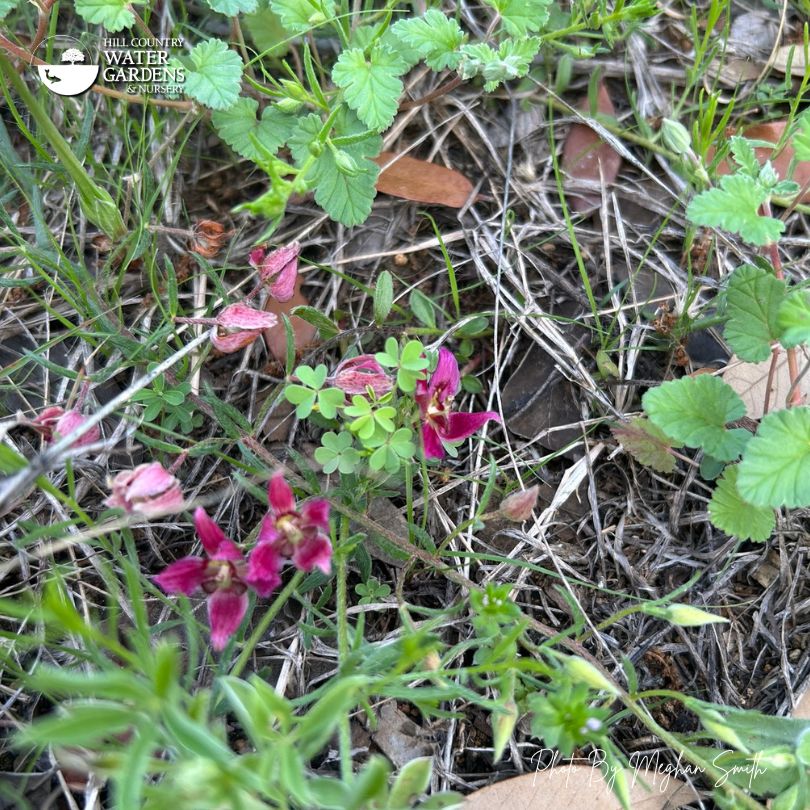
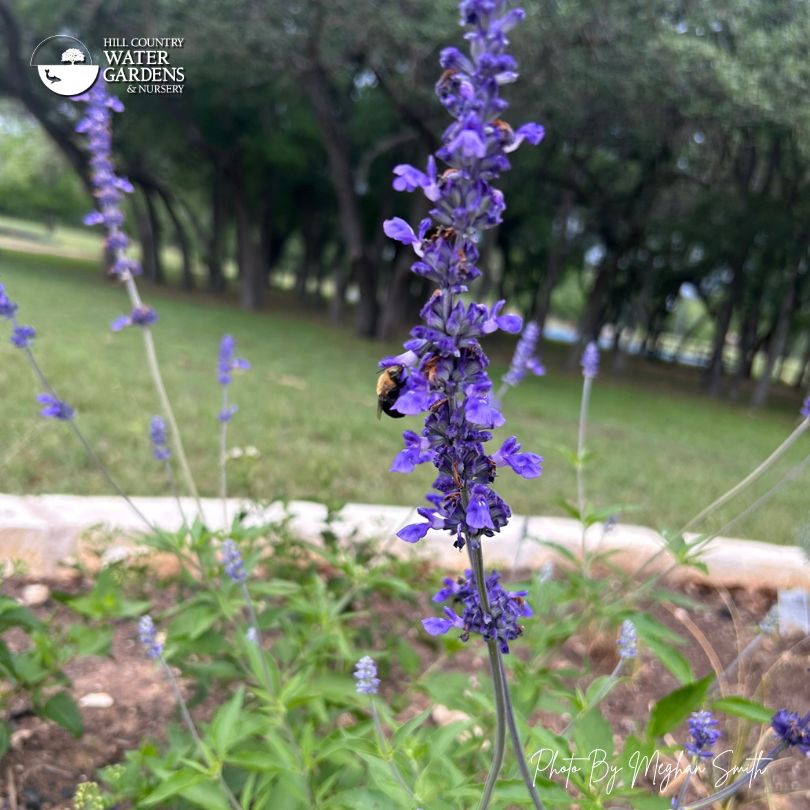
This is trailing ratany (Kraemeria lanceolata) and, although I didn’t know it when I took the picture, her specialist pollinator is a type of Centris bee. Even though she’s on a salvia in this picture, the only food for her larvae is the oils produced by this flower’s petals, making her this plant’s primary pollinator. For her own meals, she’s less picky, choosing the same native salvia that dozens of other bees and butterflies seem to prefer when offered a nectar buffet like the one I planted here.
She is not the only specialist pollinator in central Texas! If you’ve ever grown squash and visited your garden in the early hours shortly after the flowers open, I bet you’ve seen lots of tiny squash bees rolling around joyously inside the blossoms. At first glance, you might mistake her for a honeybee, but she’s smaller, with a pointed abdomen and white fuzz. Absolutely adorable.
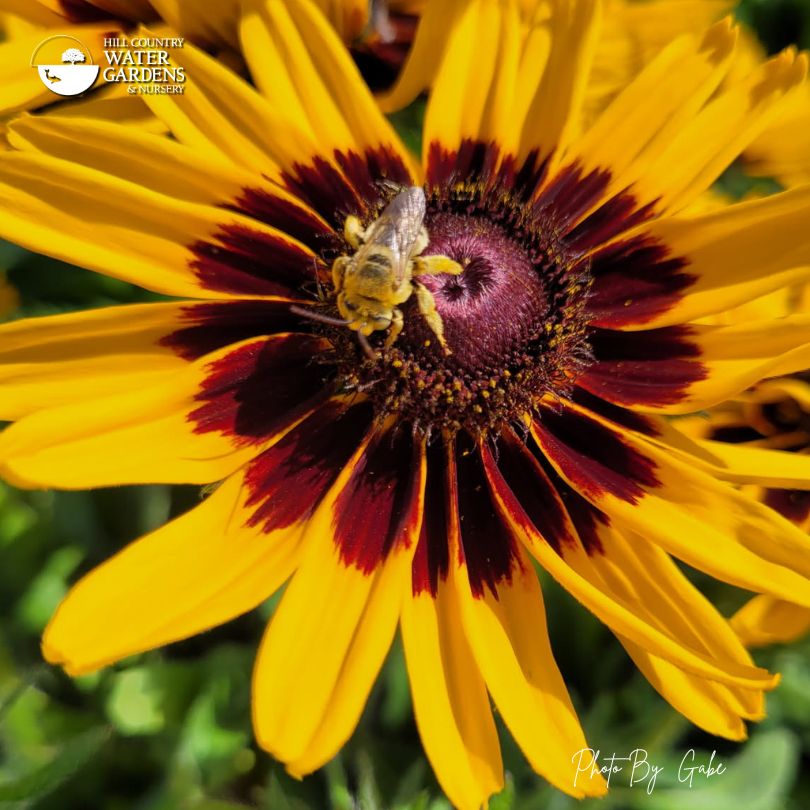
But the family of flowers with the largest number of specialist pollinators is the aster family. Native sunflowers, fall aster, blanketflower, coneflower, coreopsis: all our native flowers that look like a single ray flower but instead contain hundreds of tiny flowers opening in concentric rings can support one of over 200 species of native bees (like the Sunflower Chimney Bee). Because these specialist bees are not social, they don’t sting. Instead, they dig tiny burrows in stems, rock, clay, sand, trees, or logs, lay their eggs, and fill them with pollen. While they may return to create new chambers or build up the walls of their burrows, they don’t defend them aggressively as honeybees do.
Bees aren’t the only things in your backyard that might be picky, though.
Bigger in Texas: Specialist Plants Need Buzz Pollination
Here at the water gardens, our favorite visitors might be the giant, fat bumblebees.
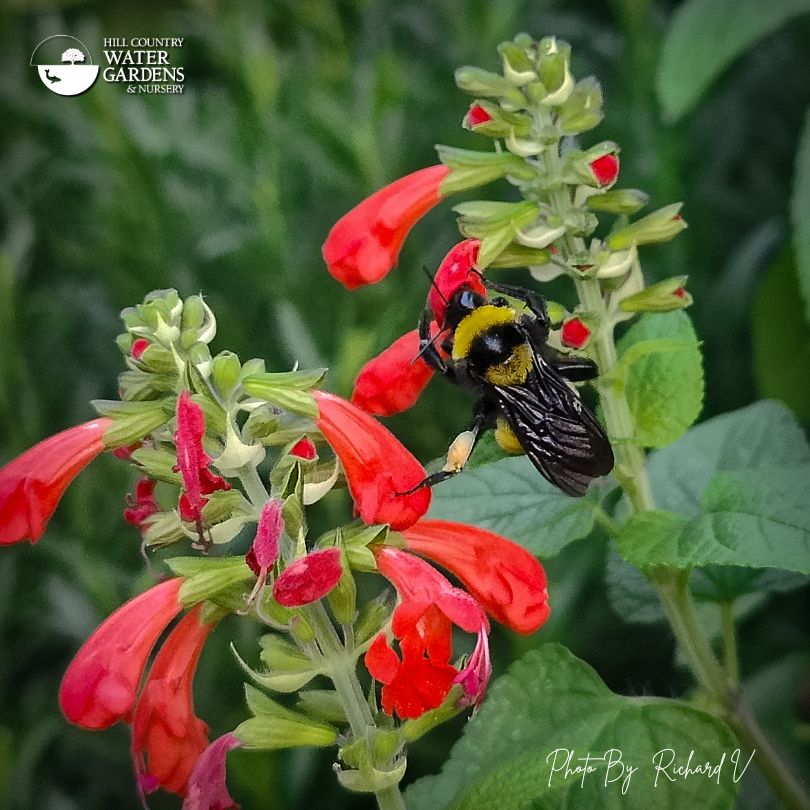
Big bees like bumblebees and carpenter bees aren’t just impressive-looking. They also have the mass required to buzz pollinate, or vibrate their flight muscles while holding flowers to shake pollen from the anthers.
In your garden, you might unknowingly prize this quality if you grow tomatoes, eggplants, and peppers, which require these large-bodied insect pollinators in order to set fruit. They’re also crucial to monarch conservation, since one of their preferred pollen and nectar sources is milkweeds, which also require buzz pollination in order to set seeds.
Even when these big bees conserve energy by nectar robbing, they’re helping other pollinators out: by chewing holes in the base of large tubular flowers, they make it possible for smaller bees to crawl in and out. It helps the plant, too: more pollinating visitors means better seed set. And for you, better seed set means more tomatoes, eggplants, and peppers; more peas and beans; more sunflower seeds for your birdfeeder.
Beyond Bees: Predators and Pollinators
Did you know that ladybugs are pollinators?
It’s true: many of our most effective friends in the fight against insect pests eat nectar as adults. Some, like ladybugs, still eat aphids as adults. Most, like lacewings and hoverflies, only eat nectar as adults and are decent pollinators in their own right. To support these pollinators, you need to avoid pesticides so that their babies can thrive! And to have these predators in your garden, you have to grow nectar plants to feed the adults.
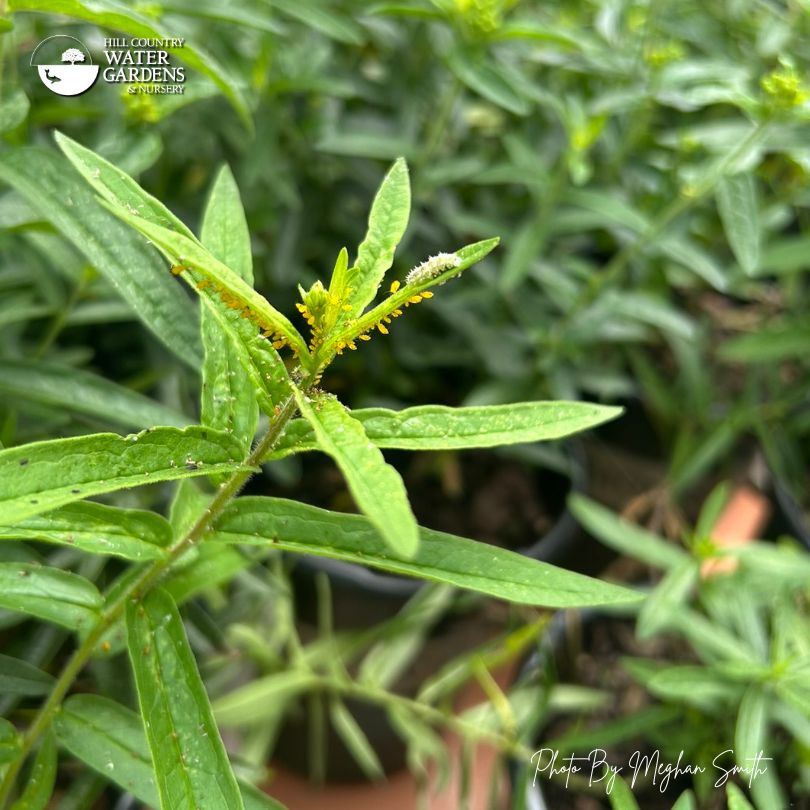
This milkweed has aphids, but it also has two hoverfly larvae! They look like tiny caterpillars now, but they will grow into very cute bee mimics.
Even wasps are pollinators! In fact, wasps like cicada killers and tarantula wasps only consume nectar as adults. They have a strong preference for Milkweed and are even big enough to pollinate it. The cicadas and tarantulas they hunt simply serve as a nursery for their young (and a gruesome first meal).
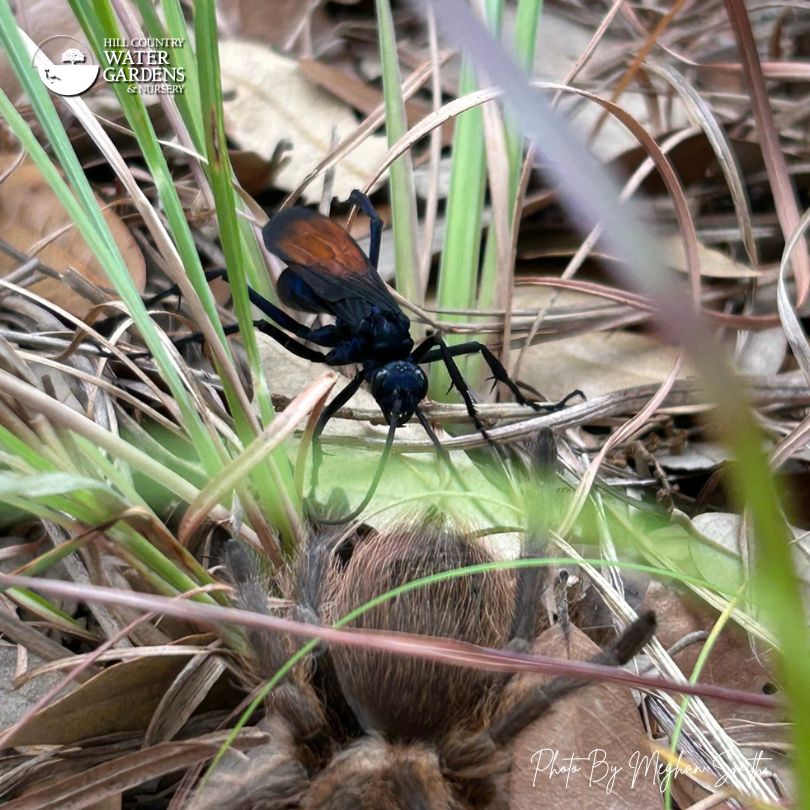
Tarantula wasp (pepsis grossa) fighting a Texas Brown Tarantula (Aphonopelma hentzi).
An Ecosystem in Your Garden
Supporting specialist pollinators with keystone plants makes getting to see nature in all its messy, magical, metal glory as easy as walking out to your backyard.
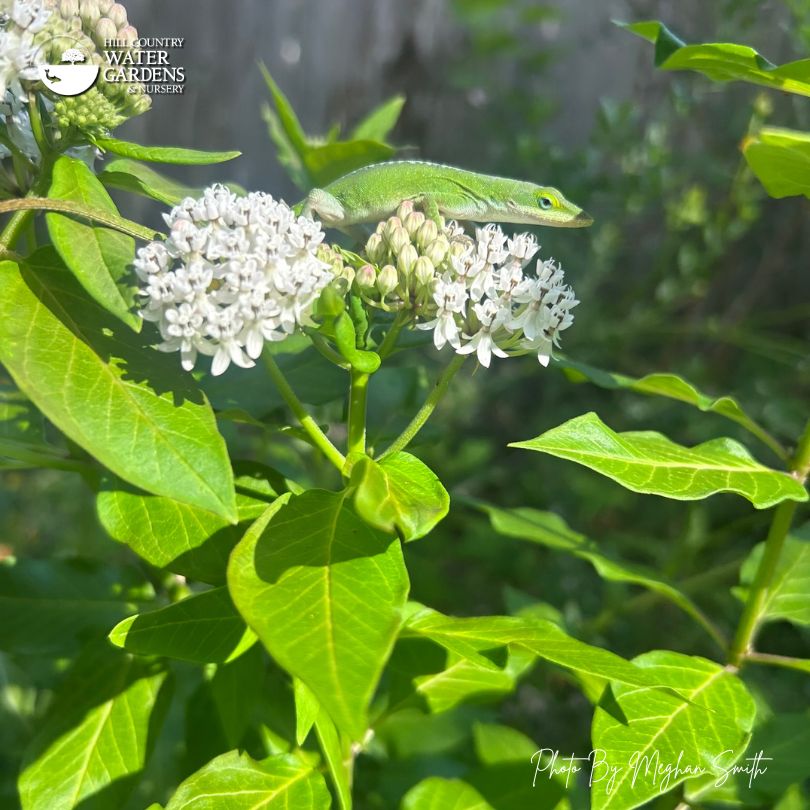
I love the way that native plants and pollinators continuously surprise me. In my own garden, I have this huge Texas Milkweed. It blooms constantly, and every time I look at it, I see something different: flies, leafcutter bees, wasps, honeybees, ladybugs. But I also always see this anole: a tiny green tiger, the apex predator of my milkweed.
How many interactions can your garden support? How will your garden surprise you this week?
Resources:
- Sharp, Paula, and Ross Eatman. "Centris." Wild Bees of the National Butterfly Center of Mission, Texas. 15 Jan. 2019, http://www.wildbeestexas.com.
- Jarrod Fowler. Pollen Specialist Bees of the Central United States. 2020, https://jarrodfowler.com/bees_pollen.html.
- “Pepsis Wasp.” Arizona-Sonora Desert Museum. 21 March 2024, https://www.desertmuseum.org/kids/facts/?animal=Pepsis%20Wasp.
